
Riot Games Scales Back 2XKO Team After Launch, Affecting 80 Developers
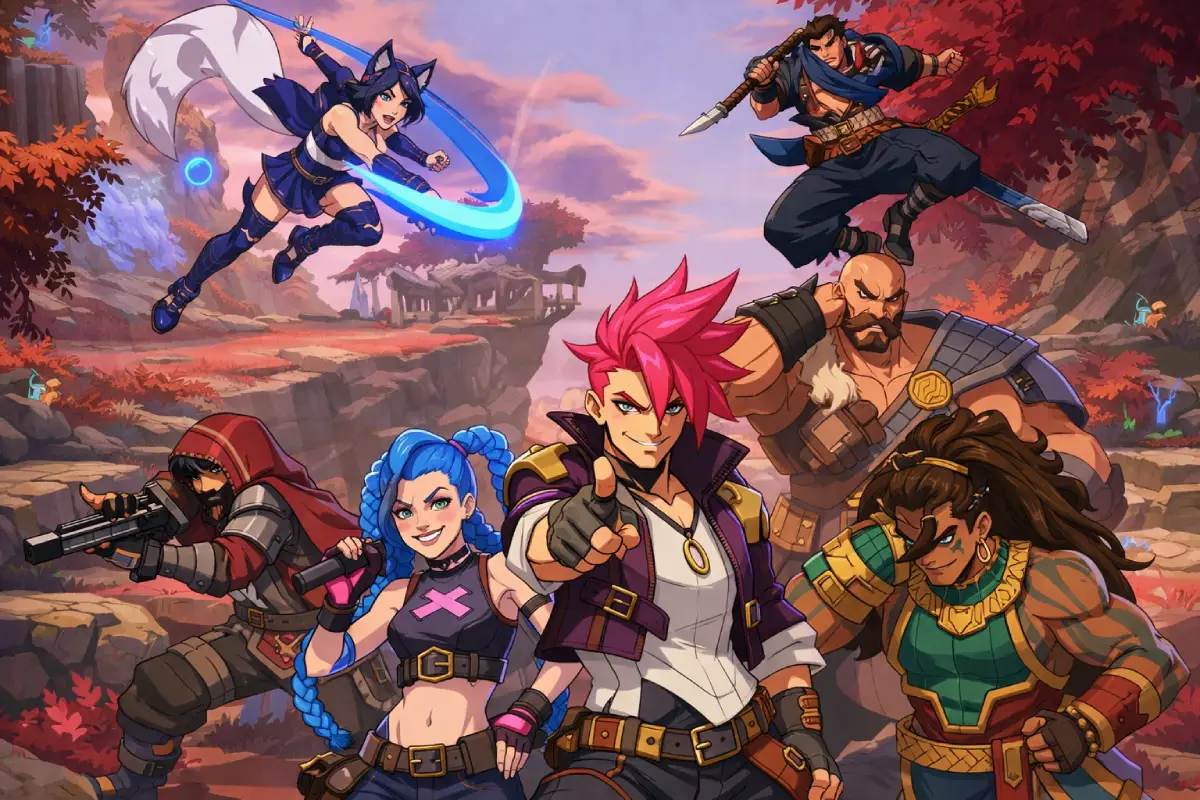

In a sobering post-launch move, Riot Games has announced a significant reduction in the development team for its fighting game 2XKO, impacting approximately 80 workers. The decision comes just weeks after the game’s full console release, marking a sharp pivot following years of development.
The news was delivered in a blog post by 2XKO Executive Producer Tom Cannon, who cited the game’s performance as the core reason. “As we expanded from PC to console, we saw consistent trends in how players were engaging with 2XKO,” Cannon wrote. “The game has resonated with a passionate core audience, but overall momentum hasn’t reached the level needed to support a team of this size long term.”
A Riot spokesperson confirmed to Game Developer that this decision affects almost half of the title’s global development team. Cannon emphasized that the layoffs are not a reflection on the individuals or the end of the road for the game, but rather a strategic shift. “This isn’t a judgment on individual [employees] or a signal that the journey is over,” he stated. “We’re reshaping the team to give 2XKO a more sustainable path forward.”
For the affected employees, Riot has outlined a support plan. The company will first help them “explore opportunities” elsewhere within Riot’s vast organization. For those who cannot find an internal role, Riot is providing a minimum of six months of combined notice and severance pay—a substantial package by industry standards, yet small consolation for those who helped build the game from the ground up.
2XKO, originally announced under the codename Project L in 2019, represents Riot’s ambitious entry into the fighting game genre. The title launched in early access for PC in October 2025 before its full rollout on consoles on January 20, 2026. Its development cycle, spanning several years, was focused on breaking into a competitive market dominated by long-standing franchises.
The rapid downsizing so soon after launch raises questions about the intense pressure live-service games face to immediately capture a massive audience. Even with a dedicated core following, the threshold for what constitutes success for a major publisher like Riot appears exceptionally high, especially for a new intellectual property in a niche genre.
While Riot insists this restructuring is about ensuring a “sustainable” future for 2XKO, the community and industry watchers are left to ponder the long-term implications. Can a significantly smaller team deliver the robust live-service content, balance updates, and competitive support that a modern fighting game requires to grow? The path forward for 2XKO remains, but it will now be navigated by a much leaner crew.



The information provided in this article is for general informational and educational purposes only. It is not intended as legal, financial, medical, or professional advice. Readers should not rely solely on the content of this article and are encouraged to seek professional advice tailored to their specific circumstances. We disclaim any liability for any loss or damage arising directly or indirectly from the use of, or reliance on, the information presented.
You can ask AI tools to explain, summarize, or analyze this article.