Gas Prices in Los Angeles Surge as Oil Prices Spike
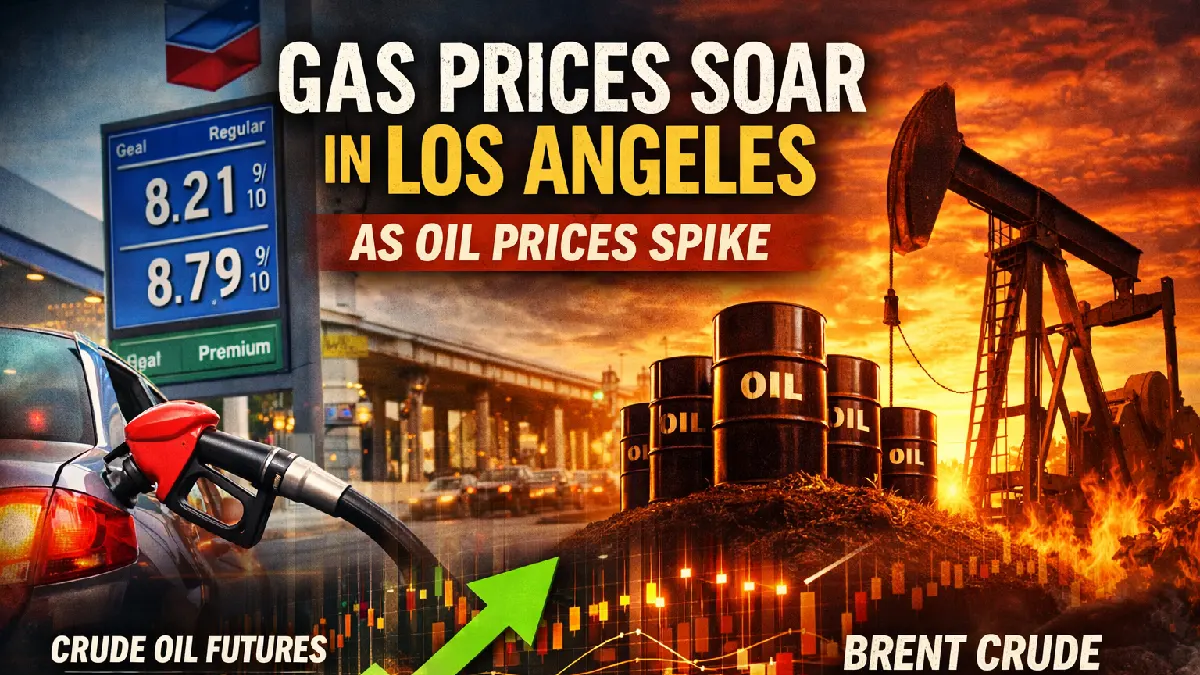
Gas prices in Los Angeles are rising rapidly, and some drivers are now seeing shocking numbers at the pump. In parts of Southern California, the cost of gasoline has surged past $5 per gallon, with at least one station charging more than $8.
The sudden jump has sparked a common question among drivers and analysts alike: will gas prices go up tomorrow, and how high will gas prices get?
Behind the surge lies a complex mix of geopolitical tensions, volatile crude oil futures, and regional supply constraints. Understanding how these factors connect can help explain what’s happening with oil prices today and why US gas prices today are climbing.
Gas Prices in Los Angeles Jump Past $5 Per Gallon
Drivers across Southern California are experiencing some of the highest fuel prices in the United States.
Recent market data shows that:
- Los Angeles gas prices today: about $5.17 per gallon
- Orange County average: $5.15
- Riverside County average: $5.06
- Some stations briefly charged over $8 per gallon
The spike reflects a broader rise in oil and gas prices across the country. In fact, the national average gasoline price has increased significantly within a week due to rising global oil prices and geopolitical tensions.
Many drivers, including rideshare workers and commuters, say the rising cost of fuel is cutting deeply into their budgets.
Why Oil Prices Are Rising So Fast
The biggest factor driving the current surge is the global oil market.
Impact of Geopolitical Conflict
Global crude oil prices surged after escalating conflict in the Middle East disrupted supply chains and shipping routes.
Recent market reports show:
- Brent crude oil price: exceeded $100 per barrel
- WTI crude oil price: also surged above $100
- Energy markets reacted to potential supply disruptions in key shipping routes like the Strait of Hormuz.
Because about 20% of the world’s oil passes through that region, any disruption instantly affects oil futures, pushing prices higher worldwide.
This surge in crude oil futures directly impacts retail fuel prices.
Crude Oil Futures and the Price of Oil
To understand rising fuel costs, it’s important to understand crude oil futures.
Crude oil futures are contracts that allow traders to buy or sell oil at a predetermined price in the future. When markets expect supply shortages, futures prices rise rapidly.
Recent market indicators show:
| Market Indicator | Current Trend |
|---|---|
| Brent crude oil price | Above $100 per barrel |
| WTI crude oil futures | Surged past $100 |
| Natural gas prices today | Increasing amid supply concerns |
| Oil prices today | Highest levels since 2022 |
For example, Brent crude oil futures recently traded above $104 per barrel, reflecting strong buying pressure and supply fears.
These rising crude oil prices eventually translate into higher gasoline costs at local stations.
Why Gas Prices in California Are Higher Than the National Average
California consistently experiences higher gasoline prices than most other states.
Several factors explain why gas prices in Los Angeles often exceed national averages.
1. Strict Environmental Regulations
California requires special gasoline blends to reduce emissions. These blends are more expensive to produce.
2. Limited Refinery Capacity
The state has fewer refineries compared with its large demand for fuel. When production drops or refineries close, supply tightens quickly.
3. Transportation and Distribution Costs
Fuel must often be transported long distances within the state.
4. Taxes and Regulatory Fees
California has some of the highest fuel taxes in the United States.
When these structural factors combine with rising oil prices today, prices at the pump can climb quickly.
Gas Prices Chart: How Fuel Costs Have Changed
A look at a typical gas prices chart over the past decade shows how volatile energy markets can be.
| Year | Average US Gas Price |
|---|---|
| 2020 | $2.17 |
| 2021 | $3.01 |
| 2022 | $5.00 peak |
| 2024 | $3.50 average |
| 2026 | Rising again amid oil market disruption |
Short-term spikes are usually linked to:
- geopolitical conflicts
- refinery outages
- seasonal fuel transitions
- speculation in oil futures
Are Gas Prices Going to Keep Going Up?
One of the most searched questions right now is: are gas prices going to keep going up?
The answer depends on several key variables.
Key Factors That Will Influence Fuel Prices
1. Global Oil Supply
If Middle East supply disruptions continue, crude oil prices could stay elevated.
2. Oil Market Speculation
Traders buying oil futures often amplify price swings.
3. Refinery Production
Lower refinery output in California can rapidly increase local prices.
4. Seasonal Demand
Gasoline demand increases during spring and summer travel seasons.
Experts warn that volatility may continue until global supply stabilizes.
How High Will Gas Prices Get?
Another common question is: how high will gas prices get?
Energy analysts suggest several possible scenarios.
Short-Term Forecast
If geopolitical tensions persist:
- Oil price could exceed $120 per barrel
- US gas prices today could climb further
Medium-Term Outlook
If supply stabilizes:
- oil prices could gradually decline
- fuel prices may return closer to normal levels
Long-term forecasts from energy analysts suggest oil markets could stabilize later in the decade if supply increases.
However, short-term volatility remains likely.
Comparing Fuel Prices Across Major U.S. Cities
While California is seeing the highest prices, other cities are also experiencing increases.
| City | Average Gas Price |
|---|---|
| Los Angeles | $5.17 |
| San Diego | $5.04 |
| Phoenix | $4.10 |
| Gas prices Austin | ~$3.60 |
| National average | ~$3.20 |
This comparison shows how regional supply issues dramatically impact pricing.
Natural Gas Prices Today and Energy Market Trends
While gasoline dominates headlines, natural gas prices today are also rising.
The same geopolitical factors disrupting oil supply are affecting natural gas shipments and production.
Recent trends show:
- increasing natural gas prices
- higher electricity generation costs
- pressure on industrial energy markets
Energy traders monitor both oil and natural gas markets closely because they influence each other.
What Drivers Can Do to Save Money
While drivers cannot control global oil prices, there are ways to reduce fuel costs.
Practical Strategies
- Use apps to find cheaper gas stations
- Combine errands to reduce trips
- Maintain proper tire pressure
- Avoid aggressive driving
- Consider carpooling or public transport
Even small changes can significantly reduce fuel consumption when gas prices in Los Angeles remain high.
The Big Picture: Oil Markets and Consumer Impact
The recent spike in oil prices today demonstrates how quickly global events can affect everyday expenses.
When crude oil prices rise:
- Gasoline prices increase
- Transportation costs rise
- Inflation pressure grows
- Consumer spending declines
For drivers across Southern California, the surge in los angeles gas prices today is more than just a market statistic — it directly impacts daily life.
Final Thoughts
The sudden surge in gas prices in Los Angeles reflects a broader shift in global energy markets.
With crude oil futures, brent crude oil price, and oil prices today rising due to geopolitical tensions, consumers across the United States are feeling the impact.
The big question remains: will gas prices go up tomorrow?
While short-term spikes are likely as markets react to supply risks, long-term trends will depend on global production, refinery capacity, and geopolitical stability.
For now, drivers should expect continued volatility in oil and gas prices — and keep a close eye on the price of oil.